E Waste Recycling Dubai: Comprehensive Guide & Solutions
E Waste Recycling Dubai: Complete Guide to Responsible Electronic Waste Management
Introduction
We live amid a tide of electronics from phones and laptops to smart appliances and the volume of discarded devices keeps rising. Globally, electronic waste topped 62 million tonnes in 2022, and only about 22% of that was formally collected and recycled; the gap is a wake-up call for cities like Dubai to act fast.
In this guide we present clear, practical, and deeply researched pathways for e waste recycling Dubai: how to dispose of old electronics safely, where to drop items, laws and compliance, technologies for recovery, corporate best practices, community programs, and education initiatives. We write in the voice of practitioners who roll up their sleeves because managing electronic waste is not theoretical; it’s a daily operational challenge and a strategic sustainability opportunity. Dubai has already rolled out collection platforms, public centres and strategic partners to close the loop we explain how to use them and how to scale impact.
1. Why e waste recycling dubai matters: overview and urgency
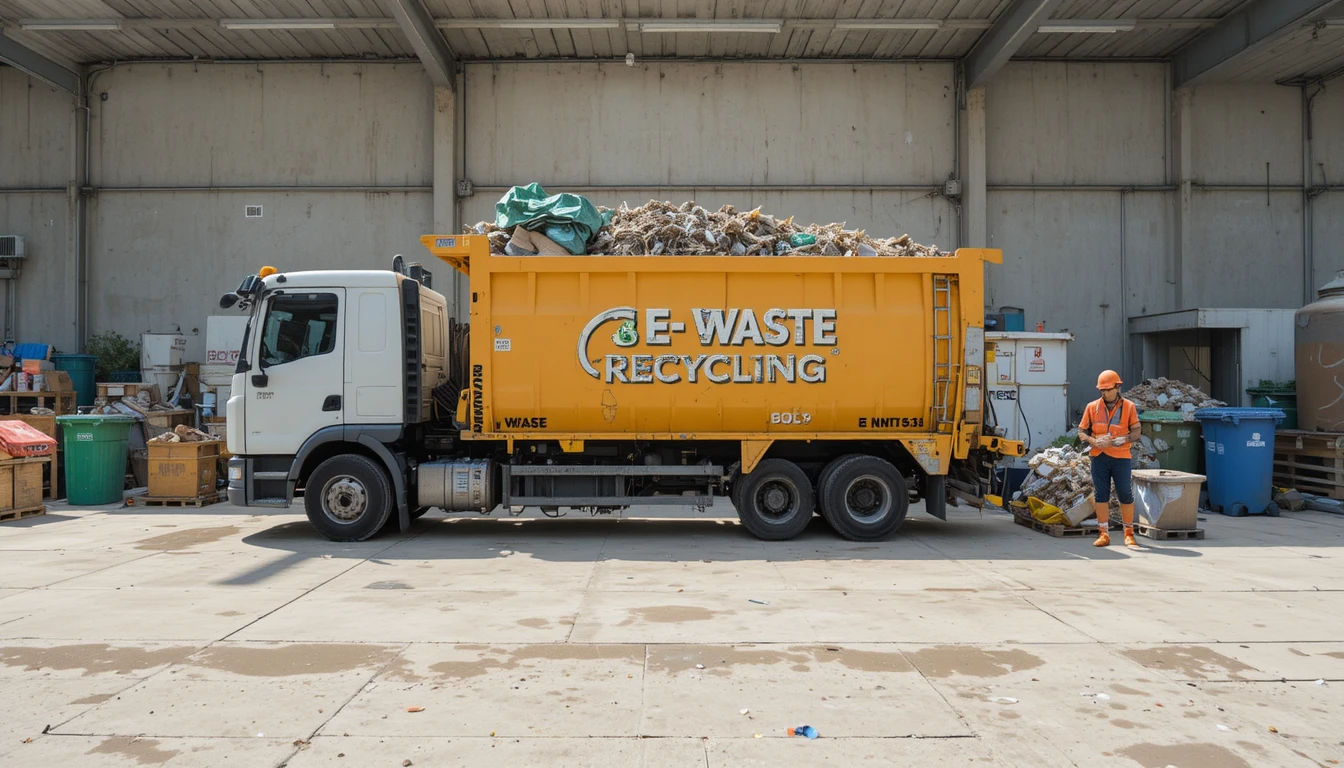
We see the problem in two ways: risk and resource. Electronic devices contain toxic components that, when mismanaged, damage air, soil and water. Simultaneously, e-waste holds valuable metals (gold, copper, silver) and plastics that if recovered reduce virgin mining and lower carbon footprints. The phrase e waste recycling dubai is not just a tag; it’s an operational priority for government, industry and households. Our sense of urgency is concrete: rising device consumption, shorter upgrade cycles, and growing smart infra in Dubai mean electronic waste will grow year-on-year unless collection and recycling scale rapidly. The answer is integrated action: better collection networks, smarter regulation, and accessible reuse channels. When we compare the city to a household, Dubai must stop treating e-waste like clutter in a garage; instead, we must build a home recycling system where every gadget has a known next step.
2. E Waste Recycling Dubai statistics: global and UAE context
Understanding scale helps prioritize resources. Globally, the best recent assessments show 62 million tonnes of e-waste generated in 2022 and a documented formal recycling rate of roughly 22% leaving billions in lost recoverable materials and rising pollution risks. Locally, the UAE and Dubai are experiencing rapid electronics adoption and infrastructure growth; market studies show a fast-growing UAE e-waste management industry and government planning to expand waste processing and circular initiatives. For planners and corporate teams we work with, raw numbers translate into two priorities: building more ewaste collection points in dubai and improving consumer pathways that move devices out of general waste streams and into certified recovery. Clear local metrics kilograms per capita, volumes by device type, and recovery percentages are the operational KPIs we track every quarter. We recommend baseline audits for any organization: capture inventory of electronic assets, forecast end-of-life timelines, and incorporate ewaste statistics into sustainability reporting.
3. E Waste Recycling Dubai examples: what’s counted as electronic waste
E-waste is broader than phones and laptops. Ewaste examples include mobile phones, tablets, laptops, desktop PCs, monitors, printers, photocopiers, servers, routers, TVs, set-top boxes, batteries, e-bikes, photocopiers, smart meters, household appliances (fridges, washing machines), fluorescent lamps, and even solar panels nearing end-of-life. Each device family carries different hazards and recycling value: printed circuit boards and connectors contain precious metals; batteries pose fire risk and require specialized handling; CRT monitors contain lead and require careful containment. For households asking what to do with old electronics, the rule of thumb is: never throw them in mixed municipal bins; instead, identify whether the device can be reused, refurbished, or must go to specialist recycling. For businesses our recommendation includes segregating waste streams on-site (IT equipment, batteries, lamps) and partnering with certified recyclers to follow it asset disposition best practices and ensure data destruction and compliance.
4. What to do with old electronics: practical steps for households: E Waste Recycling Dubai
So what should you actually do today with that old phone or toaster? Start with a short checklist: (1) Back up personal data. (2) Wipe or factory-reset devices; for corporate devices use certified data destruction. (3) Remove batteries and store them safely. (4) Find a local collection point or schedule a municipal pickup. (5) Consider reuse or donation if the device still functions. For households, asking “what to do with old electronics” becomes a sequence rather than a dilemma bag batteries separately, drop devices at a retail take-back or municipal centre, or sign up for a scheduled ewaste collection event in dubai. If donating, ensure recipients are legitimate and data-cleaned. If the device is beyond repair, ensure you hand it to certified recyclers who follow recycling metals from ewaste procedures and safe hazardous-material handling.
5. Ewaste recycling collection points in dubai: where to drop and how to schedule
Finding the nearest ewaste collection points in dubai is often the single barrier to responsible disposal. Dubai Municipality operates recycling centres across the emirate and has an electronic platform to exchange recyclable and reusable materials; these centres are complemented by retail take-back programmes and periodic collection drives. Practical tips: locate the nearest municipal recycling centre online, check opening hours, and confirm whether they accept specific items (batteries, bulky appliances and small electronics often have different acceptance rules). Some malls and retailers host permanent bins for small electronics and batteries, while corporate campuses can request scheduled bulk pick-ups. To avoid contamination, segregate batteries and remove personal storage devices (SSDs/HDDs) before dropping off. For businesses, we recommend pre-booking a pickup with an authorized recycler and obtaining a compliance requirements for ewaste disposal certificate or chain-of-custody note to demonstrate legal handling.
6. Ewaste recycling collection events in dubai: community drives and pop-ups
Community-level action works. Ewaste collection events in dubai often coordinated by municipal authorities, retailers, NGOs, or corporations are high-impact touchpoints that convert awareness into action. These pop-ups create a focused window for residents to drop off bulky items, batteries and small electronics in a single trip. Organizers should advertise clearly (date, time, accepted items), partner with certified recyclers, and provide on-site data-wiping or secure container services for sensitive devices. Events are ideal moments for public awareness campaigns on ewaste policies and hands-on demonstrations of recycling metals from ewaste or ewaste reusability and upcycling workshops. We structure events with logistics in mind: traffic flow, safe battery storage, trained staff for item triage, and immediate issue receipts for participants. To maximize impact, pair a collection drive with educational booths and follow-up communications that point attendees to permanent ewaste collection points in dubai turning one-off engagement into long-term habit change.
7. Role of dubai municipality in E Waste Recycling Dubai management
Role of Dubai Municipality in ewaste management is central: from setting standards to operating recycling centres and enabling exchange platforms for reusable materials. Dubai Municipality provides guidance, licenses waste processors, and runs public recycling stations that accept household and some commercial electronic waste.The municipality’s role extends to shaping policy, issuing circulars for hazardous and non-hazardous waste processing, and supporting strategic partners to scale recovery. In practical terms, when we partner with municipal teams we align on operational KPIs (tonnage collected, diversion rates, and contamination levels) and deploy education programs that increase proper drop-off behavior. For businesses, the municipality offers frameworks to help meet compliance requirements for ewaste disposal and often provides clear contact channels for bulk collection. The municipality also supports city-level circular economy objectives by promoting reuse marketplaces and linking recovered materials back into manufacturing streams.
8. Electronic waste regulations dubai: laws, compliance, and penalties
One must pay attention to electronic waste regulations dubai when handling or transporting e-waste. Dubai enforces environmental protection laws and municipal regulations that govern hazardous waste handling, licensing of recyclers, and safe disposal practices. Firms and collectors must hold appropriate approvals when operating treatment or recycling facilities, and carriers must follow transport rules for hazardous components, such as batteries. Violations illegal dumping, mixing hazardous components into general waste, or exporting waste without required documentation may lead to fines and license actions. We advise corporate compliance teams to maintain a corporate ewaste audit checklist and to procure chain-of-custody records from recyclers to demonstrate due diligence. Keeping records, scheduling certified pickups, and following municipal guidance removes enforcement risk and builds trust with regulators and stakeholders.
9. Legislation on ewaste: UAE policies and international standards
Legislation on ewaste sits at a mix of federal and emirate levels. The UAE’s broader environmental protection laws and ministerial regulations guide waste management and pollution prevention; these rules interact with international frameworks on hazardous materials and transboundary movement. The Official UAE government portal highlights waste management responsibilities and bans on harmful disposal practices. For companies that trade across borders, export/import rules demand strict documentation and adherence to the Basel Convention principles where applicable. We recommend businesses adopt internationally recognized standards such as R2 or e-Stewards for recycler accreditation and embed best practices for ewaste policy implementation into procurement and vendor selection to ensure legal and reputational safety.
10. Compliance requirements for ewaste disposal: businesses and consumers
Compliance is practical: it means paperwork, certified partners, and traceable handling. For businesses, compliance requirements for ewaste disposal include proper classification of electronic items, segregation of hazardous components (batteries, mercury lamps), contracting with licensed recyclers, and maintaining transfer documentation. Consumers should use authorized drop-off points and retain receipts from collection events. For IT departments we recommend it asset disposition best practices: documented inventory, secure data destruction (certified wiping or physical destruction), and certified recycling pathways that can issue a disposal certificate. These steps mitigate legal risk and demonstrate progress toward sustainability goals.
11. Ewaste management strategies: collection, recycling, and circularity
A robust ewaste management strategies mixes prevention, reuse, refurbishment, material recovery, and safe disposal. Our recommended hierarchy: (1) Reduce consumption and extend device life; (2) Reuse/Refurbish devices to keep them in the value chain; (3) Recycle materials responsibly; (4) Recover energy only when no other options exist. For Dubai, strategy must be regional: link retail take-back schemes, municipal collection, private recyclers, and repair ecosystems. We also prioritize circular economy and electronic waste approaches design for disassembly, take-back requirements for manufacturers, and creating secondary markets for refurbished devices. For municipalities and corporates, implement targets: percent diverted from landfill, percent recovered by material type, and reduction in hazardous incidents then hold partners accountable through monthly reporting.
12. Ewaste recycling Dubai process: from collection to recovered materials
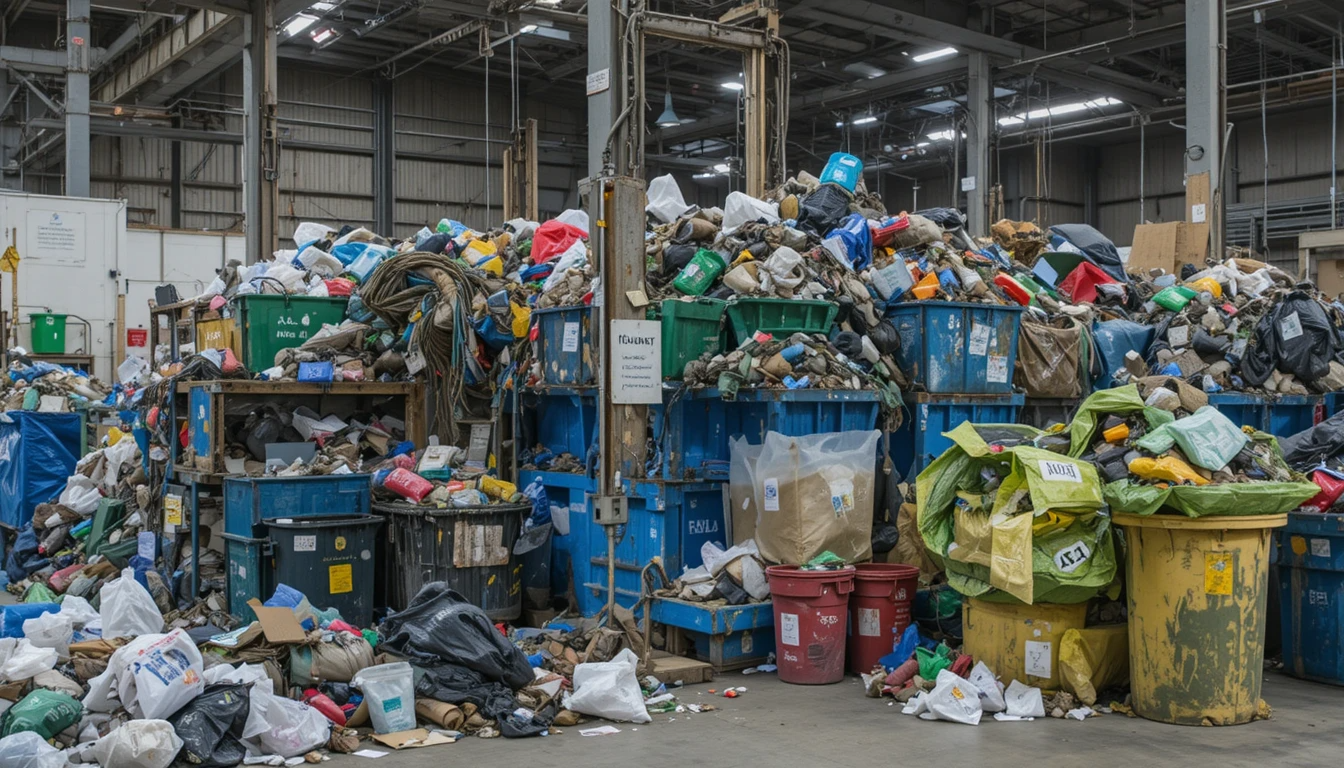
Understanding the ewaste recycling process helps set expectations. After collection, devices are sorted by type and condition: reusable devices go for refurbishment; hazardous elements (batteries, CRTs) are separated; printed circuit boards, metals, plastics, and glass are shredded, sieved, and separated through mechanical, magnetic, and chemical methods. Valuable fractions (gold, copper) move to specialized recovery streams such as pyrometallurgical or hydrometallurgical units, while plastics and glass are cleaned and reprocessed. Effective processes require trained staff, separation infrastructure, and environmental controls to manage emissions and effluents. For Dubai operations, partnering with certified processors that document electronic waste recovery technologies and produce material recovery statements ensures transparency and supports corporate sustainability claims.
13. Recycling metals from ewaste: economics and technologies
Metals are the crown jewel of e-waste. Recycling metals from ewaste recovers gold, silver, palladium, copper and rare earth elements. Economically, high-value PCBs and connectors can justify sophisticated recovery lines; for lower-value fractions, automation and scale improve viability. Technologies span mechanical dismantling, concentration, and then metallurgical processing. The choice between pyrometallurgical vs hydrometallurgical routes depends on feed composition, capital, and environmental constraints. A smart analogy: e-waste is like a treasure chest where metal recovery is the gold within the trick is opening that chest without burning the map. For Dubai recyclers, careful upstream sorting and pre-processing increases metal yield and reduces downstream environmental risk.
14. Pyrometallurgical processes in ewaste recycling & hydrometallurgical methods
Pyrometallurgical processes in ewaste recycling use high temperatures to smelt concentrates and separate metals; they’re mature but energy intensive and require emissions controls. Hydrometallurgical recycling methods dissolve metals chemically for selective recovery at lower temperatures and are gaining traction for specific fractions (e.g., recovering gold from circuit boards). Each has trade-offs: pyrometallurgy offers throughput and robustness; hydrometallurgy offers selectivity and potentially lower greenhouse gas emissions. In Dubai, environmental permitting and air-quality controls make the selection of technology a regulatory and community decision. We recommend pilots that measure metal recovery yield, energy intensity, water use and effluent quality before scaling. Combining both methods with mechanical pre-treatment and targeted biometallurgy (where microbe-assisted processes can concentrate certain metals) gives flexible, lower-impact pathways.
15. Biotechnology in ewaste recycling & advanced ewaste recycling techniques
Biotechnology in ewaste recycling explores bioleaching and microbial processes to extract metals without extreme heat or harsh chemicals. Advanced techniques also include solvent extraction, ion exchange resins, and selective ligands for high-purity recovery. Experimental biotech approaches show promise for low-energy recovery of copper and precious metals from shredded PCBs. For Dubai’s innovation ecosystem, incorporating pilot funding, university partnerships, and clear test-lab frameworks accelerates validation. Advanced methods reduce environmental footprints and can help companies meet corporate sustainability targets. We recommend staged R&D, beginning with lab proof-of-concept, then moving to modular pilot plants that can handle hundreds of kilograms before industrial scale.
16. Ewaste recycling Dubai: automation and software solutions
Automation in material handling, optical sorting, and robotics reduces contamination and increases throughput. Ewaste recycling automation paired with ewaste recycling software solutions inventory management, chain-of-custody systems, material tracking dashboards creates predictable recovery pipelines. Digital tools allow recyclers to scan incoming items, tag by composition, and route them to appropriate processing modules, reducing manual errors. For municipal programs, software enables route optimization for collections, event scheduling, and participant tracking for awareness campaigns. For our corporate partners, we implement dashboards that show kilograms processed, material recovered, and certification PDFs making sustainability performance auditable and real.
17. Blockchain technology in ewaste tracking and export regulations for ewaste
Blockchain technology in ewaste tracking provides immutable records for each device’s end-of-life journey from collection point, through transport, to recycler and final disposition. This supports compliance with export regulations for ewaste, preventing illegal transboundary movement and showing verifiable chain-of-custody for regulators and customers. We implement permissioned ledgers where only certified actors can append records; the result is a tamper-resistant audit trail that helps demonstrate compliance requirements for ewaste disposal and strengthens trust with procurement teams and regulators.
18. Sustainable electronics disposal technologies & green technology for ewaste management
Sustainable disposal combines low-impact separation, energy-efficient recovery, and pollution controls. It, includes mechanical separation lines with closed-loop water systems, low-temperature hydrometallurgy, and advanced filtration for effluents. Green technology for ewaste management adds renewables-powered facilities, waste heat recovery, and materials tracking that ensures recovered plastics and metals re-enter supply chains rather than landfills. For Dubai’s climate and regulatory profile, energy-efficient and low-emission processing gives social license and reduces operational risk. Investing in green tech now is investing in long-term cost stability and compliance readiness.
19. Ewaste recycling benefits: environment, economy, and jobs
The ewaste recycling benefits are layered: environmental gains (less landfill pollution, less toxic exposure), economic value (recovered metals and secondary raw materials), and social outcomes (jobs in collection, repair, and recycling). For Dubai, building a robust recycling economy strengthens local circular supply chains and reduces dependence on imported raw materials. For communities, proper recycling reduces public health risk from hazardous materials and creates service-sector roles. When we evaluate projects, we measure not only tonnage but jobs created per tonne and total avoided emissions that’s how we make the business case persuasive to investors and policy makers.
20. Impact of ewaste on the environment and ewaste and climate change
Impact of ewaste on the environment includes leaching of heavy metals into soil and waterways, release of persistent organic pollutants from improper processing, and greenhouse gas emissions across life cycles. Ewaste and climate change intersect through embodied emissions in production; recycling metals avoids energy-intensive mining and smelting, cutting lifecycle CO₂. Addressing e-waste is therefore both pollution control and climate mitigation. Our recommended lifecycle assessments quantify emissions avoided by recycling versus landfilling or incineration a clear metric to communicate the climate benefit of e waste recycling dubai projects to stakeholders.
21. Hazardous materials in ewaste Recycling Dubai and health risks from ewaste exposure
E-waste contains hazardous materials in ewaste such as lead, mercury, cadmium, flame retardants (BFRs), and persistent organic pollutants. Uncontrolled processing or informal recycling releases these hazards into air, water, and soil. Health risks from ewaste exposure include neurological impacts (lead, mercury), respiratory illnesses, and carcinogenic exposure in severe cases. We recommend strict segregation and specialized handling for hazardous streams, medical surveillance for workers, and community monitoring near processing sites. Our programs embed occupational safety protocols and regulatory compliance checks to reduce exposure pathways.
22. How ewaste affects health: E Waste Recycling Dubai, local cases and preventive measures
How ewaste affects health plays out at workplace and community levels. Workers in informal recycling can face direct exposure; nearby residents can be affected by contaminated water or airborne particulates. Preventive measures include PPE, dust control, proper storage, licensed treatment facilities, and community education. For Dubai, robust licensing, inspections, and public reporting minimize localized health impacts. When planning facilities we design buffer zones, state-of-the-art filtration, and emergency response plans because prevention is cheaper and more ethical than remediation.
23. Social impact of ewaste dumping and local ngos ewaste initiatives dubai
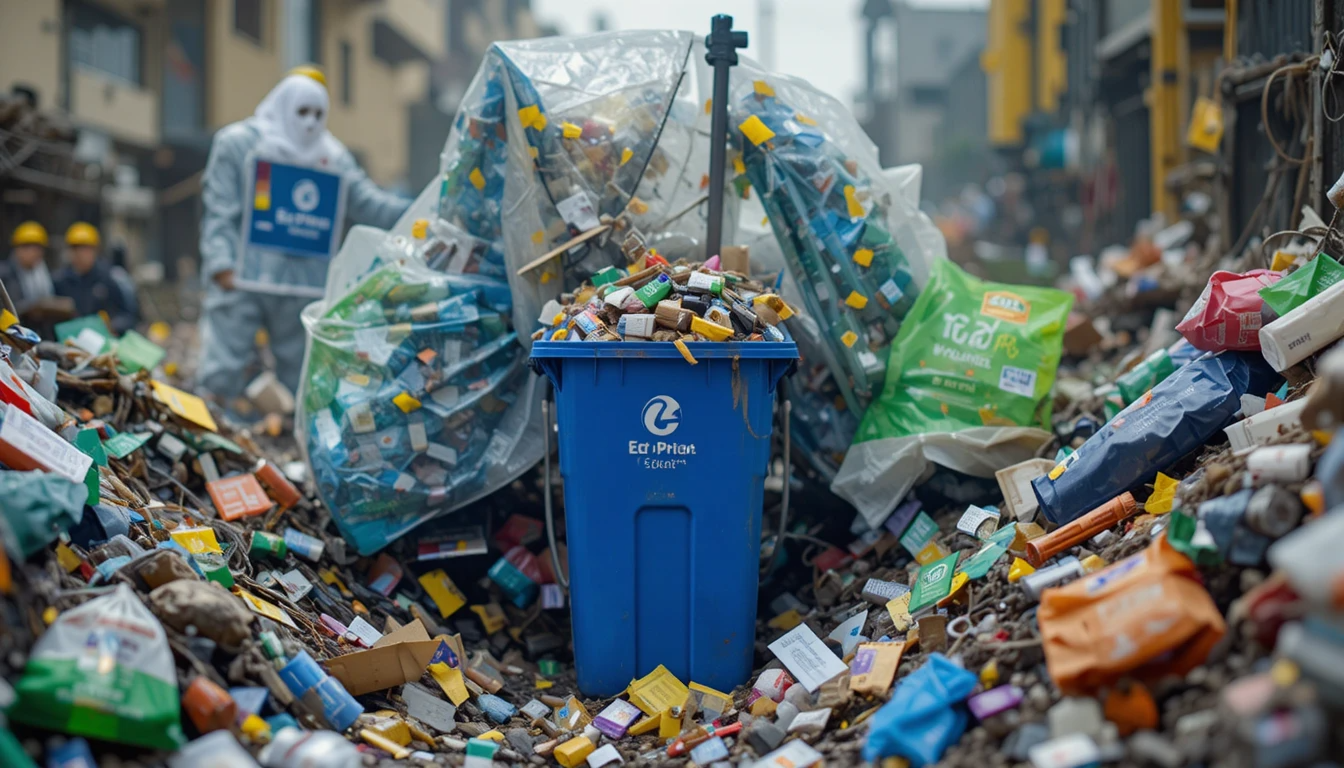
Social impact of ewaste dumping includes displacement of livelihoods, community health burdens, and environmental justice concerns when vulnerable neighborhoods bear the brunt. In Dubai, local ngos ewaste initiatives dubai are stepping up awareness, collection drives, and refurbishment programs that create jobs and re-skill workers. NGO–municipality–private partnerships are powerful: NGOs bring grassroots reach, municipalities bring policy and infrastructure, and private partners scale processing. We collaborate with NGOs to run educational workshops, refurbishment training, and community collection events turning discarded devices into opportunities for skill-building and social enterprise.
24. Ewaste consumer awareness and public awareness campaigns on E waste recycling Dubai policies
Consumer behavior changes when information is simple and actionable. Effective ewaste consumer awareness campaigns answer two questions: where to take devices, and why it matters. Public awareness campaigns on ewaste policies should use clear visuals, FAQs, and maps of drop-off locations. Messaging that links personal action to tangible outcomes reduced pollution or recirculated metal that supports local manufacturing motivates behavior. We design campaigns with measured call-to-actions, digital appointment booking for municipal pickups, and school outreach to build lifelong habits.
25. Educational institutions E waste recycling Dubai programs and ewaste awareness for students
Schools and universities are natural hubs for educational institutions ewaste programs dubai. Programs can include collection drives, curricular modules on sustainable technology education, and hands-on labs demonstrating life cycle assessment of electronic products. Students become ambassadors who take behavior change home. For higher education, partnerships with recycling startups provide internship pipelines and R&D opportunities. We help institutions structure term-long projects where students audit campus e-waste streams and design improvement pilots that demonstrate both environmental impact and educational value.
26. Sustainable technology education and ewaste policy education: E Waste Recycling Dubai
Sustainable technology education teaches design choices, repairability, and material stewardship; ewaste policy education demystifies compliance and producer responsibility. Together they build capacity for future engineers, product managers and policy makers. We recommend blended programs: short courses for professionals (e.g., procurement teams), semester courses for students (design for disassembly), and community workshops for citizens. Course content should include ewaste management strategies, material flows, and hands-on repair labs equipping participants to be agents of change.
27. Handson ewaste recycling Dubai projects and ewaste reusability and upcycling
Practical learning is transformative. Handson ewaste recycling projects teach dismantling, sorting, and safe handling; ewaste reusability and upcycling projects convert old devices into creative products or refurbished units for donation. Upcycling not only diverts waste but also sparks local entrepreneurship. We help design maker-space pilots where students and entrepreneurs learn to refurbish laptops and build IoT prototypes from reclaimed parts. These pilots show how e waste recycling dubai can feed innovation, reduce purchasing costs for nonprofits, and create micro-businesses that scale.
28. Ewaste recycling Dubai programs, ewaste recycling certification programs, and employee training for ewaste management
Programs must be institutionalized. Establish ewaste recycling programs with clear SOPs, collector partnerships, and public reporting. Certification (R2, e-Stewards, local certificates such as an ewaste recycling certificate dubai) strengthens market trust. Employee training for ewaste management reduces contamination and improves on-site segregation. We provide checklists, training modules, and audit frameworks so organizations can operationalize recycling in procurement, IT refresh cycles, and facilities management.
29. Corporate Sustainability and E Waste Recycling Dubai: IT Asset Disposition Best Practices & Corporate E-Waste Audit Checklist
Corporate sustainability strategies increasingly hinge on how companies manage electronic waste (e-waste). In particular, poor handling can expose organizations to regulatory, reputational, and cybersecurity risks. Therefore, adopting IT Asset Disposition (ITAD) best practices becomes essential for reducing exposure while demonstrating responsibility.
- Secure Data Destruction: To begin with, all end-of-life devices should undergo certified data wiping or physical destruction to eliminate risks of data breaches.
- Refurbishment & Reuse Channels: Moreover, extending asset lifecycles through redeployment, resale, or donation helps reduce waste and maximize value.
- Certified Recycling Partners: In addition, working with recyclers accredited under standards such as R2, e-Stewards, or ISO 14001 ensures environmental and compliance integrity.
- Documentation & Chain-of-Custody: Finally, maintaining verifiable proof of responsible disposal and asset tracking creates transparency and accountability.
To support these practices, a corporate e-waste audit checklist should include:
- Inventory Snapshot: first, establish a comprehensive list of IT and electronic assets.
- End-of-Life Forecasts: next, create projections of devices nearing disposal to plan ahead.
- Vendor Contracts: in addition, ensure clear terms with ITAD providers covering compliance, liability, and data security.
- Certificates of Recycling/Destruction: moreover, keep documented proof for ESG and regulatory reporting.
- Residual Value Capture: finally, evaluate opportunities for resale or refurbishment returns.
Altogether, such measures reduce risk, recover asset value, and strengthen ESG disclosures ultimately positioning companies as responsible stewards in the circular economy.
30. Financial Incentives for E-Waste Recycling Dubai Businesses & E-Waste Recycling Cost Analysis
A sustainable e-waste ecosystem does not rely on technology alone; rather, it depends on viable economics for recyclers. As a result, governments and policymakers can accelerate investment by offering financial incentives such as:
- Grants and Subsidies: To start, direct funding can support pilot facilities, R&D, or advanced recovery lines.
- Tax Credits & Deductions: Furthermore, tax relief reduces capital and operational burdens for recyclers.
- Preferential Procurement Policies: In addition, rewarding recyclers with sustainable certifications strengthens market demand.
- Deposit-Refund Schemes or Extended Producer Responsibility (EPR): Finally, these approaches ensure cost recovery through producer and consumer contributions.
In Dubai’s context, aligning financial incentives with circular economy goals not only encourages private investment in advanced recovery lines but also reduces export dependency. Consequently, this approach creates local jobs and supports the emirate’s broader sustainability vision.
31. Electronic waste recycling startups, partnerships for e Waste Recycling Dubai and case studies on corporate ewaste success
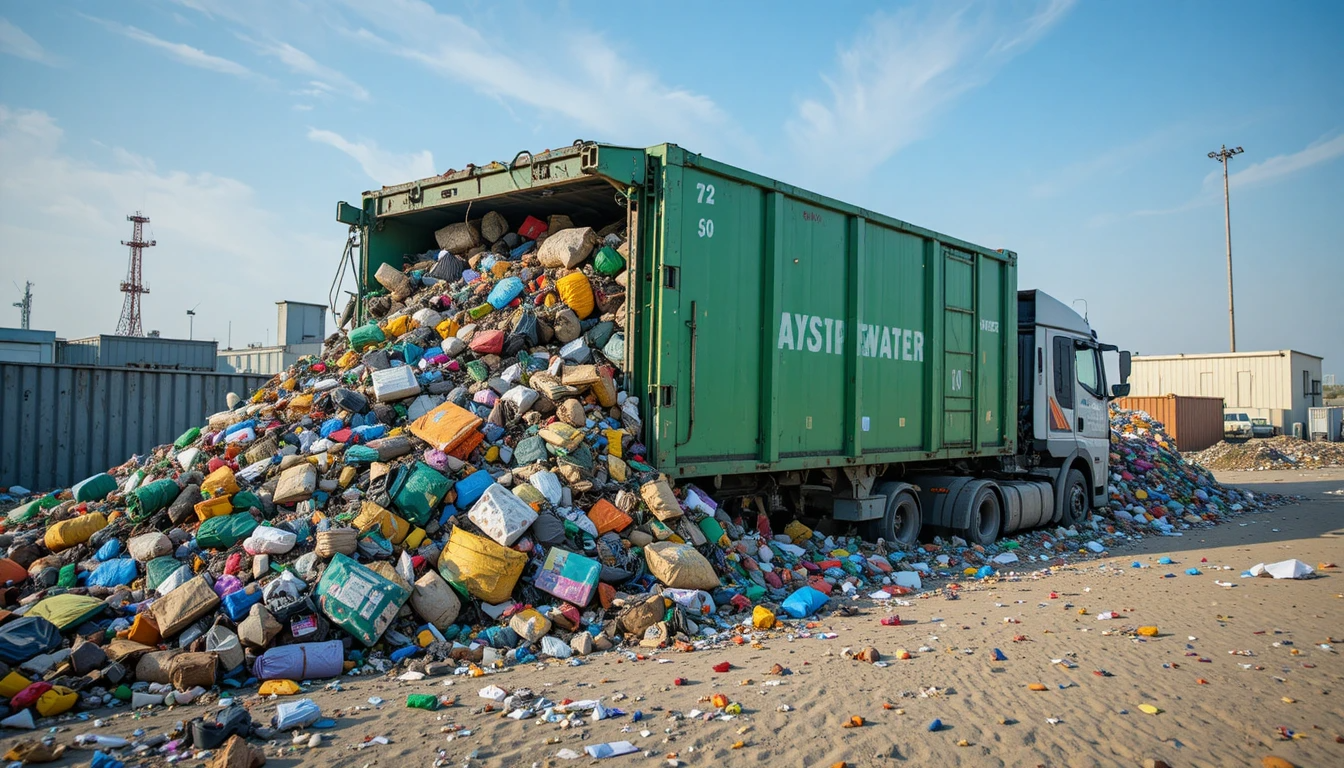
Startups bring innovation: advanced sorting, reverse-logistics platforms, and refurbishment marketplaces. We catalog electronic waste recycling startups in the region and structure partnerships for ewaste recycling between corporates, municipalities, and innovators. Case studies show how firms reduced landfill tonnage, recovered value and improved ESG metrics. Sharing these success stories accelerates adoption and demonstrates practical ROI.
32. Mobile apps for ewaste recycling Dubai and ewaste recycling guides
Digital tools make participation easy. Mobile apps for ewaste recycling enable booking pickups, finding collection points, and issuing disposal certificates. Coupled with clear ewaste recycling guides, they reduce friction and increase collection. We design app UX around the user flow: identify item, book pickup, print receipt, and receive collection verification.
33. Zero waste initiatives and circular economy and electronic waste
Zero waste initiatives aim to minimize landfill and design waste out of systems. Integrating circular economy and electronic waste means designing products for longevity, repairability, and recyclability, and establishing take-back loops. Cities that commit to zero-waste principles embed producer responsibility and strong refurbishment markets, turning waste into a steady resource stream.
34. Life cycle assessment of electronic products and ewaste and its components lifecycle
Life cycle assessment (LCA) quantifies environmental impacts from raw materials to disposal. Applying LCA to electronics clarifies hotspots (raw material extraction, manufacturing) and the benefits of recycling fractions like metals. Understanding the ewaste and its components lifecycle helps design interventions where they matter most for instance, improving design to minimize hazardous additives or increasing recyclable content to boost recovery yields.
35. Export regulations for ewaste, data destruction and responsible E waste Recycling Dubai companies
Finally, international trade rules and export regulations for ewaste demand close attention to prevent illegal shipments. Data destruction and ewaste practices must be certified to avoid data breaches. Choosing responsible ewaste recycling companies means checking certifications, site audits, and proof-of-processing. For Dubai entities, require signed certificates, documented chain-of-custody and end-market transparency before signing off on recycled volumes. These controls protect organizations and ensure that e waste recycling dubai drives genuine circular outcomes.
Conclusion
We present this guide as a practical blueprint: clear steps for households, concrete compliance requirements for businesses, technology pathways for recyclers, and education and partnership models for communities. E waste recycling dubai is both a challenge and an economic opportunity; with coordinated municipal platforms, certified recyclers, education and innovative technology, Dubai can lead regionally in safe, high-value e-waste recovery. We encourage organizations to act now: audit assets, set diversion targets, join collection networks, and invest in refurbishment and recovery pilots. Together, we turn discarded electronics from pollution liabilities into circular resources.
Frequently Asked Questions (FAQs)
Q1: Where can I drop off my old phone in Dubai?
You can drop off small electronics at municipal recycling centres, retail take-back points, or scheduled ewaste collection events in dubai check Dubai Municipality’s recycling platform and local retail partners for specific locations and opening hours.
Q2: What should I do to protect my data before recycling a computer?
Back up your data, perform certified data wiping or physical destruction (for enterprises), remove storage media when possible, and obtain a data-destruction certificate from the recycler.
Q3: Are there laws about exporting e-waste from Dubai?
Yes exports must comply with UAE regulations and international agreements; proper documentation and certified handling are required to avoid illegal transboundary movement.
Q4: How does recycling metals from e-waste help the climate?
Recycling metals avoids energy-intensive mining and smelting of virgin ore, reducing the lifecycle CO₂ footprint of electronics and contributing to climate mitigation.
Q5: Can schools run practical ewaste programs?
Absolutely schools and universities can host collection drives, refurbishment labs, and handson ewaste recycling projects to teach students about circular economy principles and practical reuse/upcycling.
Trusted Junk Removal Services in Dubai for Homes & Businesses
In Dubai?
Address: Office No.101, 10th Floor, Al-Shafar Tower, Business Bay, Dubai.
Google Map Location
Read More: Rubbish Collection Dubai: Waste Management, Recycling & Disposal Guide