Retail Store Waste Management Cardboard Removal Strategies
Retail Store Waste Management Cardboard Removal Strategies for Dubai Businesses
Introduction
If you run a retail store in Dubai, you know how quickly cardboard can pile up from shipping boxes, product packaging, and even old display units. Managing all this waste efficiently is more than just keeping your store tidy; it’s about Retail Store Waste Management that saves space, reduces hazards, and helps the environment. Imagine walking into a shop where boxes are stacked like a mini warehouse. It feels chaotic, right? Now, picture the same store neat, organized, and compliant with Dubai Municipality guidelines. The difference is striking.
Just like organizing your wardrobe after a busy shopping spree, proper cardboard removal keeps your retail space functional and inviting. In this guide, we will explore practical strategies tailored to Dubai’s unique retail environment, from high-rise malls in Marina to standalone shops in Jumeirah.
1. Understanding Retail Store Waste Management in Dubai
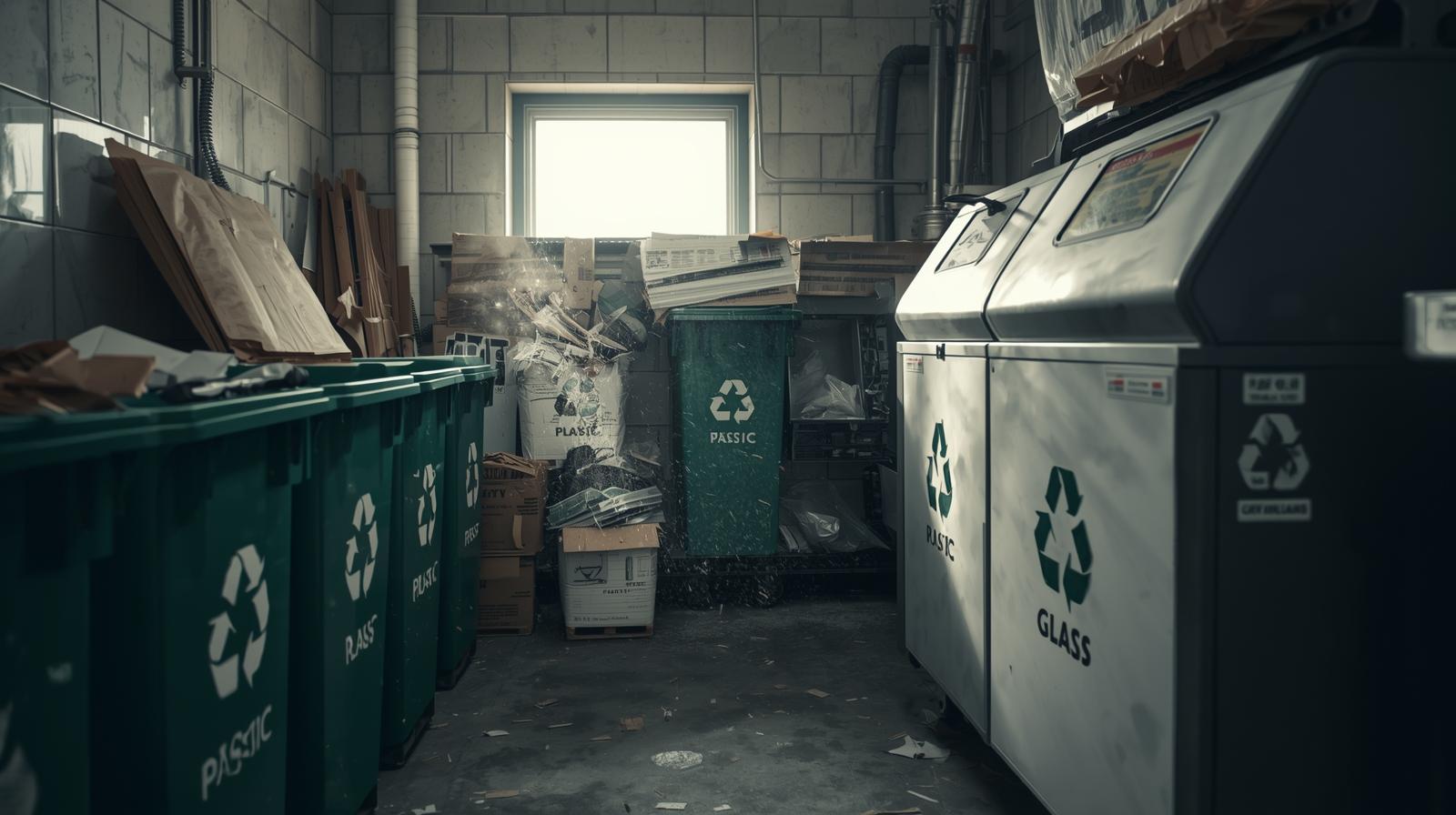
Efficient Retail Store Waste Management begins with understanding what constitutes your store waste. Cardboard, being lightweight but bulky, often dominates retail waste. In Dubai, where stores range from sprawling malls to compact boutiques, the volume of cardboard can become overwhelming if not addressed systematically.
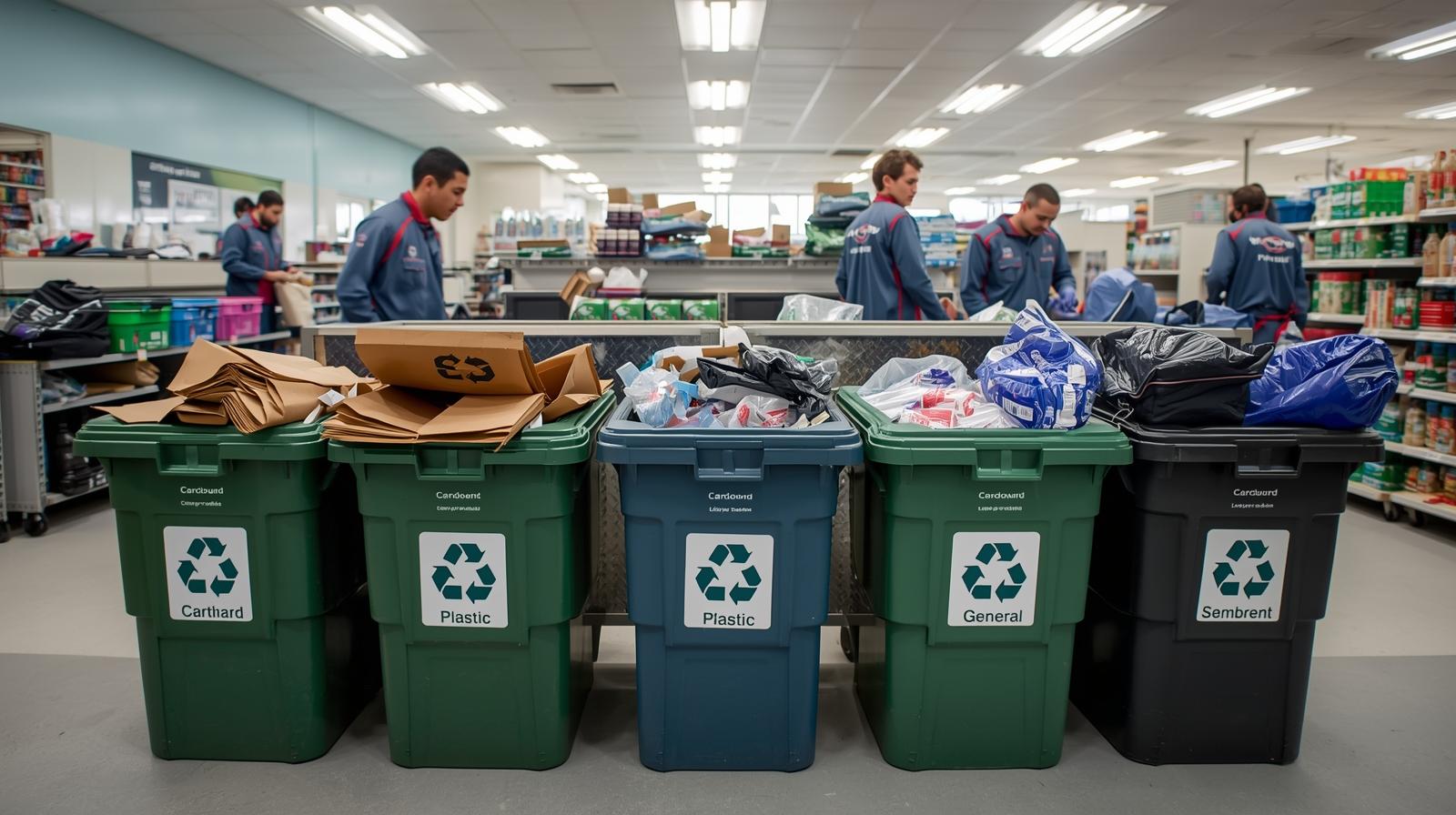
Retail waste isn’t just about aesthetics it impacts operational efficiency. Piles of boxes can block aisles, create fire hazards, and increase pest activity. By categorizing waste into cardboard, plastics, and general trash, you can streamline disposal and ensure compliance with local rules.
Finally, Dubai residents and business owners should recognize that proper waste management enhances brand reputation. Customers appreciate a clean, organized environment, reflecting professionalism and environmental responsibility. Think of it like clearing the clutter in your home; once done, everything feels lighter and easier to navigate.
2. Importance of Cardboard Removal for Your Store: Retail Store Waste Management
Cardboard removal is more than a cleaning chore it directly affects your business. Bulky boxes take up valuable floor space, making the store appear crowded and uninviting. A clutter-free environment improves both customer experience and employee efficiency.
Moreover, regular removal reduces safety risks. Slips, trips, and blocked emergency exits are common in stores where cardboard accumulates. For businesses in Dubai Marina or Jumeirah, where space can be limited, keeping pathways clear is essential.
Finally, efficient cardboard disposal contributes to sustainability. Dubai has ambitious recycling targets, and responsible businesses can play a role. By actively participating in Retail Store Waste Management, your store not only remains tidy but also positions itself as an eco-conscious brand.
3. Dubai Municipality Regulations for Waste Disposal
Before you plan your cardboard removal, it’s crucial to understand Dubai Municipality’s regulations. The municipality requires businesses to segregate recyclables, dispose of waste through licensed operators, and avoid illegal dumping. Violations can lead to fines, which can be hefty for commercial establishments.
For retail stores in Dubai’s high-rises or shopping complexes, following these guidelines ensures smooth operations. Municipal rules often specify collection schedules and approved recycling centers. By aligning your store’s practices with these requirements, you reduce legal risks and foster a cleaner community.
Compliance isn’t just about avoiding fines; it also enhances your brand image. Customers in Dubai increasingly value eco-conscious retailers. Proper Retail Store Waste Management shows that your store cares about the environment and public safety.
4. Identifying Cardboard Sources in Your Retail Store
Before removing cardboard, you must know where it comes from. Common sources include product deliveries, packaging from suppliers, and promotional materials. In Dubai, seasonal sales like those during the Dubai Shopping Festival can spike cardboard accumulation significantly.
Mapping these sources helps in planning disposal schedules. For example, backroom storage might generate large volumes, while front-end displays produce smaller, more frequent waste. Prioritizing areas with maximum cardboard buildup ensures efficient cleanup.
Additionally, inventory management can reduce waste at the source. Asking suppliers to use minimal packaging or providing reusable crates can significantly lower cardboard accumulation. Think of it as cutting off the problem before it even reaches your store.
5. Daily vs. Weekly Waste Removal Schedules
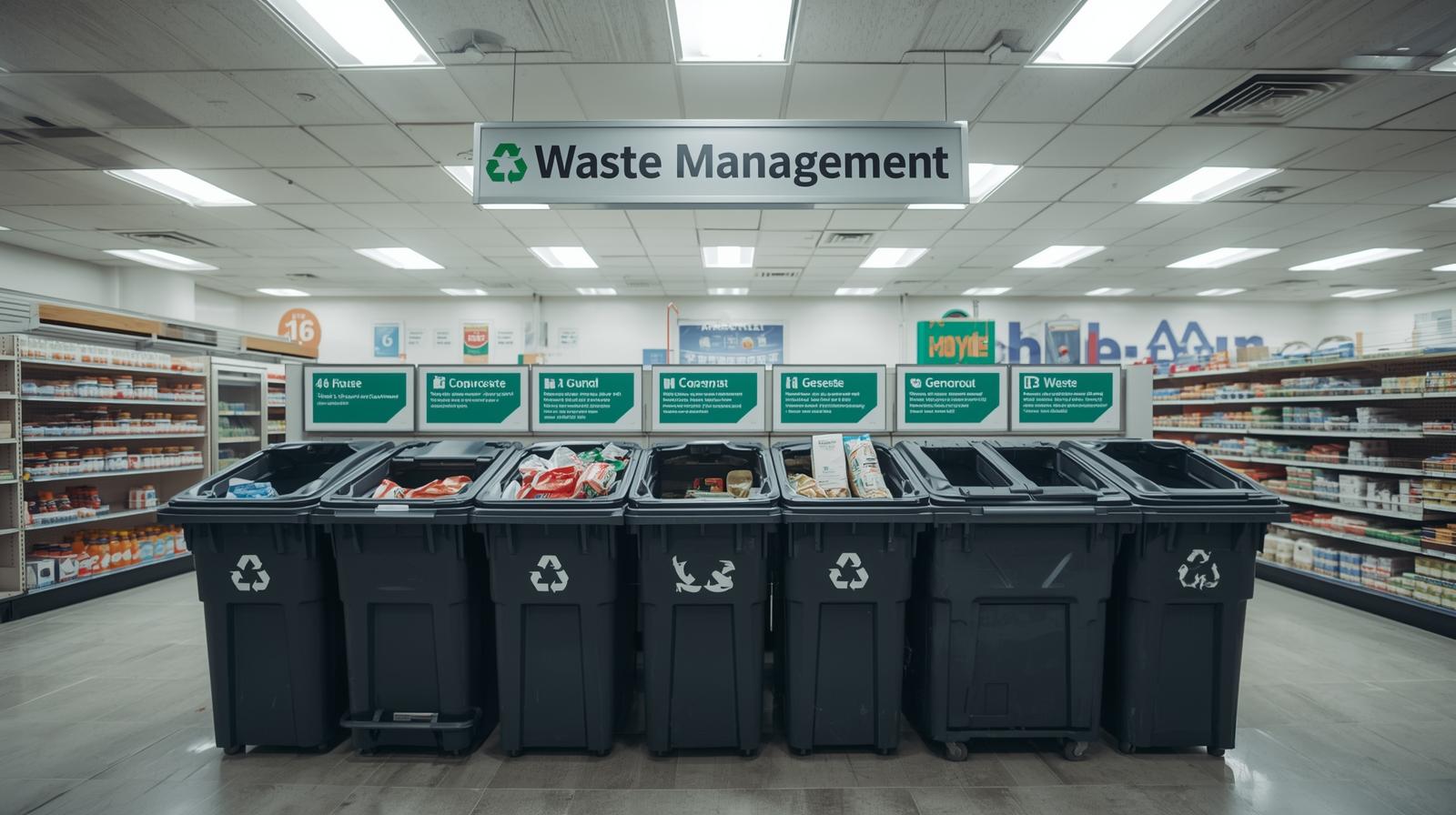
Choosing between daily or weekly cardboard removal depends on store size, footfall, and storage capacity. High-traffic Dubai locations, such as Dubai Marina malls, often require daily management to prevent clutter from affecting operations.
Weekly removal may suffice for smaller shops or low-footfall areas, but regular monitoring is crucial. Even in a weekly schedule, overflowing cardboard can cause operational delays or safety risks. Implementing a hybrid approach, with daily checks and weekly collection, offers a balance.
Consistent schedules also allow employees to develop routines. Knowing when and how to dispose of cardboard improves compliance and reduces last-minute chaos. Effective Retail Store Waste Management relies heavily on discipline and planning, much like keeping a garden free of weeds.
6. Segregation of Cardboard from Other Waste: Retail Store Waste Management
Proper segregation is fundamental to efficient Retail Store Waste Management. Cardboard should be kept separate from plastics, food waste, and general trash. This simplifies recycling and prevents contamination.
In Dubai’s climate, separating wet and dry waste is particularly important. Cardboard exposed to moisture can become unusable for recycling, leading to unnecessary waste. Label bins clearly in backrooms and staff areas to maintain segregation.
Segregation also improves operational efficiency. Staff spend less time sorting mixed waste, and recycling companies can process materials faster. Think of it like sorting laundry, keeping whites and colors separate prevents mishaps and ensures smooth handling.
7. Using Baling Machines for Efficient Storage
For stores generating large volumes of cardboard, baling machines offer a practical solution. These machines compress cardboard into compact bales, saving storage space and simplifying transportation.
In Dubai’s high-rise retail areas, such as Jumeirah Beach Residences, where space is premium, bales make it easier to move waste via service elevators. Moreover, baling improves safety by reducing loose cardboard that can create tripping hazards.
Investing in a baler can also be cost-effective. Many local recycling centers offer higher rates for pre-baled cardboard. This way, your Retail Store Waste Management not only becomes easier but also financially rewarding.
8. Eco-Friendly Recycling Practices: Retail Store Waste Management
Sustainability is a key consideration in modern Retail Store Waste Management. Cardboard is highly recyclable, and Dubai offers numerous licensed recycling facilities. Proper recycling reduces landfill waste and contributes to environmental conservation.
Eco-friendly practices include flattening boxes, removing non-paper elements like tape, and transporting cardboard to certified recycling centers. For businesses in Marina or Downtown Dubai, partnering with local recyclers ensures compliance and reduces transportation costs.
By adopting these practices, your store can market itself as green and responsible. Customers increasingly appreciate eco-conscious retailers, and demonstrating commitment to sustainability can be a competitive advantage.
9. Partnering with Local Recycling Centers: Retail Store Waste Management
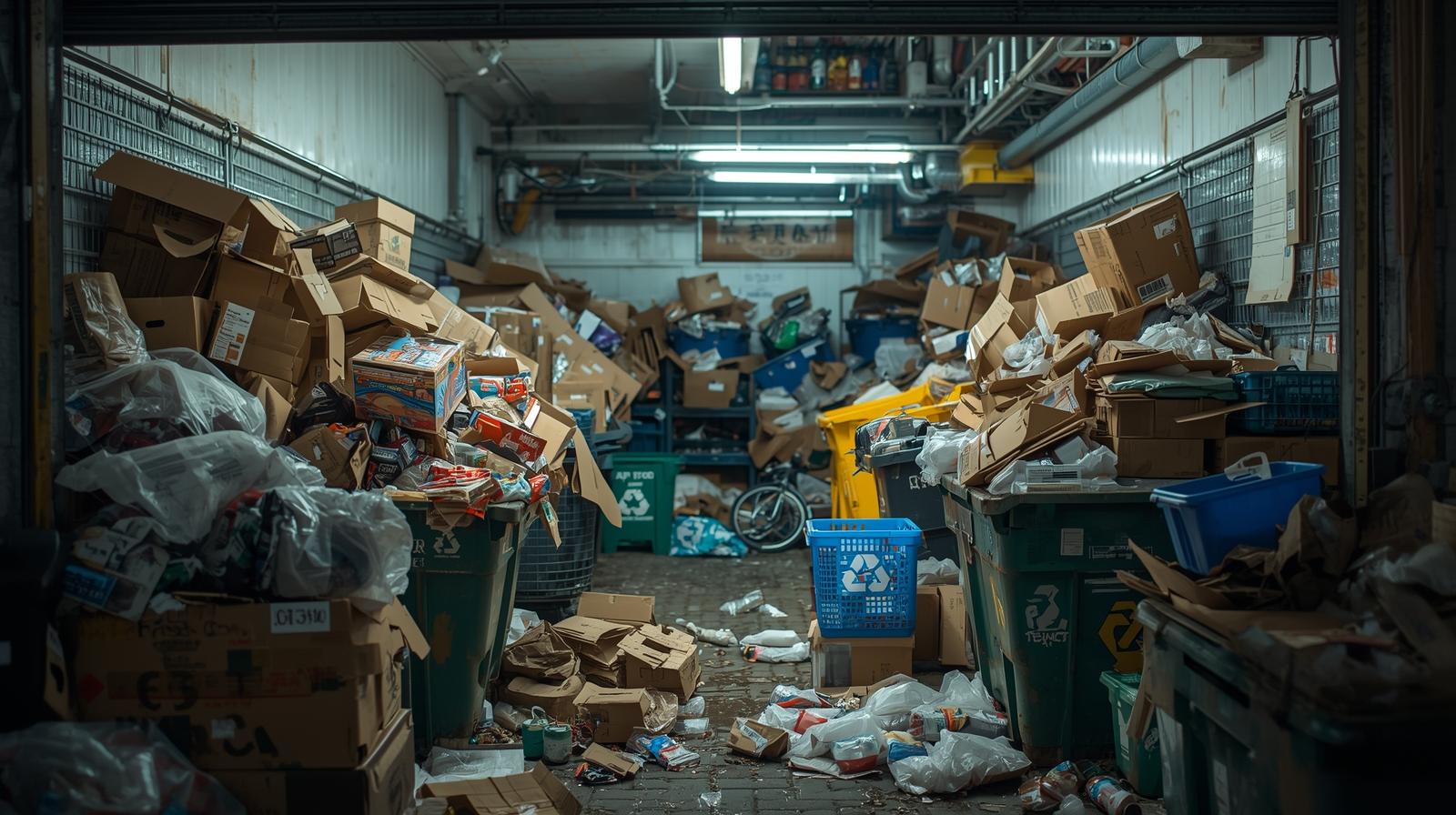
Working with local recycling centers simplifies Retail Store Waste Management. Dubai has multiple certified recyclers who can pick up cardboard directly from stores. Scheduling regular pickups avoids storage overflow.
Partnerships can also provide financial benefits. Some centers offer incentives for bulk cardboard delivery. This encourages stores to maintain systematic disposal schedules and reduces the burden on in-house staff.
For high-rise shops, choosing a recycler familiar with service elevator logistics is crucial. Efficient collection ensures minimal disruption to daily operations while keeping your store clutter-free.
10. Hiring Professional Waste Management Services
For busy Dubai businesses, outsourcing cardboard removal can be a game-changer. Professional services manage collection, sorting, and recycling efficiently. This allows store owners to focus on core operations without worrying about waste.
Professionals also ensure compliance with municipal rules. Licensed operators understand Dubai’s legal requirements and can provide documentation proving proper disposal. This reduces liability and enhances corporate responsibility.
Moreover, professional services often implement eco-friendly methods, such as baling and segregating waste at the source. Choosing the right provider ensures your Retail Store Waste Management is both efficient and sustainable.
11. Cost Analysis of Cardboard Removal in Dubai
Understanding costs is essential for any retail business. Cardboard removal expenses depend on volume, frequency, and whether services are in-house or outsourced. In Dubai, service providers charge based on pickup frequency and distance.
Investing in balers, storage bins, and staff training has upfront costs but reduces long-term expenses. Efficient handling lowers labor hours, improves recycling returns, and prevents fines for non-compliance.
A proper cost-benefit analysis ensures that your Retail Store Waste Management strategy is sustainable. Spending wisely on disposal today saves operational headaches and environmental penalties tomorrow.
12. Logistics Challenges in High-Rise Buildings: Retail Store Waste Management
High-rise retail spaces in Dubai, such as those in Marina or Business Bay, pose unique challenges. Moving bulky cardboard through service elevators requires careful scheduling. Peak business hours can make disposal inconvenient.
Advanced planning is key. Assign dedicated collection times, coordinate with building management, and ensure elevators are available. Using compact bales also mitigates space constraints and reduces handling effort.
Addressing these challenges effectively ensures smooth operations and minimizes disruption to customers. Efficient Retail Store Waste Management is like choreography; every step must be coordinated for seamless execution.
13. Seasonal Considerations: Heat and Storage
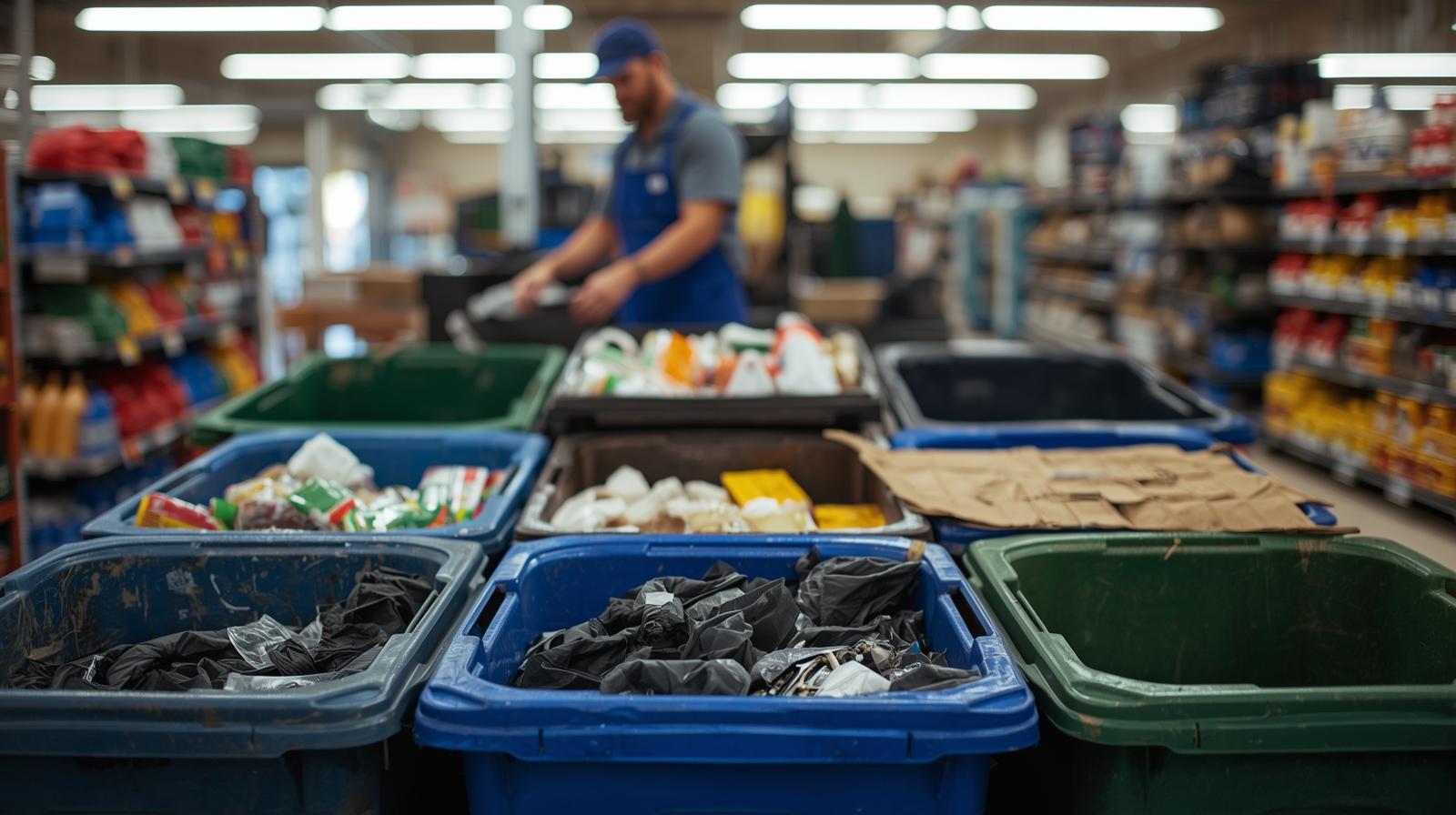
Dubai’s extreme summer heat affects cardboard storage. Moisture and temperature fluctuations can weaken cardboard, making it unsuitable for recycling. Keeping cardboard in shaded, cool areas preserves its recyclability.
Additionally, sales seasons increase waste volume. Planning additional storage and scheduling extra pickups prevents clutter from overwhelming your store. Awareness of seasonal spikes is crucial for effective waste management.
By factoring in climate and seasonality, stores maintain both efficiency and sustainability. Proper planning ensures that your Retail Store Waste Management strategy remains effective year-round.
14. Digital Tools for Tracking Waste Removal
Technology can simplify Retail Store Waste Management. Digital tools track cardboard volumes, collection schedules, and recycling metrics. This provides insight into waste patterns and identifies optimization opportunities.
Many Dubai businesses integrate these tools with inventory systems. This helps predict cardboard generation and plan timely removal. Digital tracking also facilitates compliance reporting to authorities and stakeholders.
Using technology transforms waste management from a chore into a streamlined, data-driven process. Knowledge is power, and in this case, it helps your store stay efficient, eco-friendly, and organized.
15. Employee Training and Awareness Programs
Your staff plays a crucial role in Retail Store Waste Management. Training employees on proper segregation, flattening boxes, and disposal schedules ensures compliance and efficiency.
Awareness programs can highlight the importance of sustainability and workplace safety. Staff who understand the rationale behind cardboard removal are more likely to follow procedures consistently.
Engaging employees also boosts morale. When everyone participates in keeping the store clean and eco-conscious, it creates a positive work environment and fosters a culture of responsibility.
16. Outsourcing vs. In-House Waste Management
Deciding between outsourcing and managing cardboard removal in-house depends on your store’s size, location, and volume of waste. Small stores may find in-house handling cost-effective, while large Dubai malls often benefit from professional services.
Outsourcing offers expertise, efficiency, and compliance assurance. In-house management provides flexibility and control over schedules. Both approaches require proper planning, employee involvement, and resource allocation.
Choosing the right approach ensures that your Retail Store Waste Management strategy aligns with operational goals, budget, and sustainability targets.
17. Measuring Efficiency and Sustainability: Retail Store Waste Management
To evaluate success, measure both operational efficiency and environmental impact. Track cardboard volume removed, recycling rates, and compliance with Dubai Municipality standards.
Regular audits help identify bottlenecks or areas for improvement. Sustainable practices like reducing packaging, reusing materials, and partnering with recyclers should also be monitored.
Data-driven assessment ensures continuous improvement. By tracking results, your store enhances both operational efficiency and eco-conscious branding in Dubai’s competitive retail environment.
18. Reducing Packaging Waste at the Source
Prevention is better than a cure. Reducing cardboard at the source simplifies Retail Store Waste Management. Work with suppliers to minimize packaging or adopt reusable crates.
Encouraging customers to use reusable bags or offer incentives for minimal packaging also contributes. Less cardboard generated means fewer disposal hassles and lower costs.
Source reduction is not only practical but also reinforces sustainability. It positions your Dubai-based retail business as innovative, responsible, and forward-thinking.
19. Benefits of Regular Cardboard Removal
Regular cardboard removal enhances safety, aesthetics, and operational efficiency. Clear floors prevent accidents, improve workflow, and make your store more appealing to customers.
It also supports sustainability initiatives. Recycling cardboard reduces landfill contributions and demonstrates environmental responsibility. Customers increasingly favor brands that care about the planet.
Finally, consistent removal ensures compliance with Dubai Municipality regulations, avoiding fines and reputational damage. Effective Retail Store Waste Management is a win-win for operations, the environment, and your bottom line.
20. Conclusion
Efficient Retail Store Waste Management is essential for Dubai retailers. From proper segregation to partnering with local recycling centers, every step matters. Remember to consider logistics, climate, and staff involvement for optimal results.
By adopting a structured approach, you not only keep your store clean and safe but also contribute to Dubai’s sustainability goals. Think of it as turning clutter into opportunity every box removed creates space for growth and efficiency.
Consistency, planning, and eco-conscious strategies will ensure your retail store remains a model of professionalism, organization, and environmental responsibility.
FAQs
Q1: What is the best frequency for cardboard removal in Dubai retail stores?
Daily removal is recommended for high-traffic areas like Marina or Jumeirah malls. Smaller shops may manage with weekly pickups, but monitoring is key to prevent overflow.
Q2: Are there Dubai Municipality rules for cardboard disposal?
Yes. Businesses must segregate recyclables, use licensed operators, and follow collection schedules. Non-compliance can result in fines and legal penalties.
Q3: How can I reduce cardboard waste at the source?
Work with suppliers to minimize packaging, use reusable crates, and encourage customers to reduce waste. Source reduction lowers disposal costs and environmental impact.
Q4: Should I outsource cardboard removal or handle it in-house?
It depends on store size and waste volume. Large stores benefit from professional services, while smaller shops may manage in-house with proper planning.
Q5: Are there eco-friendly options for cardboard disposal in Dubai?
Yes. Licensed recycling centers accept flattened cardboard, often offering incentives for bulk collection. This promotes sustainability and aligns with municipal guidelines.
Trusted Junk Removal Services in Dubai for Homes & Businesses In Dubai?
Address: Office No.101, 10th Floor, Al-Shafar Tower, Business Bay, Dubai.
Google Map Location
Read More: Bulk Cardboard Disposal Services for Dubai Businesses