Industrial Cardboard Waste Solutions Dubai
Industrial Cardboard Waste Solutions in Dubai
Introduction
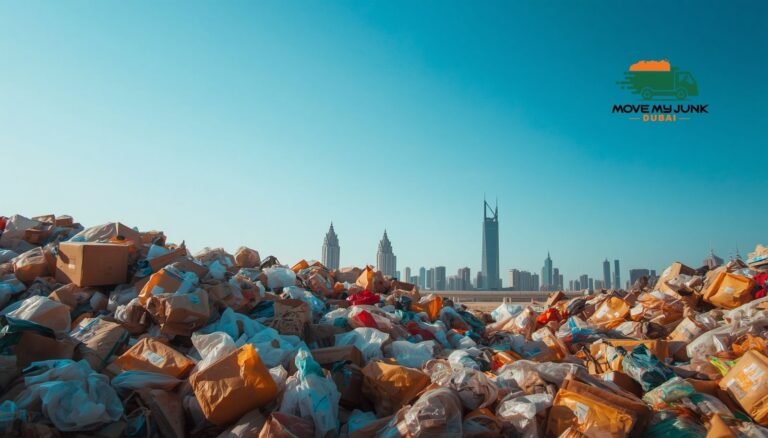
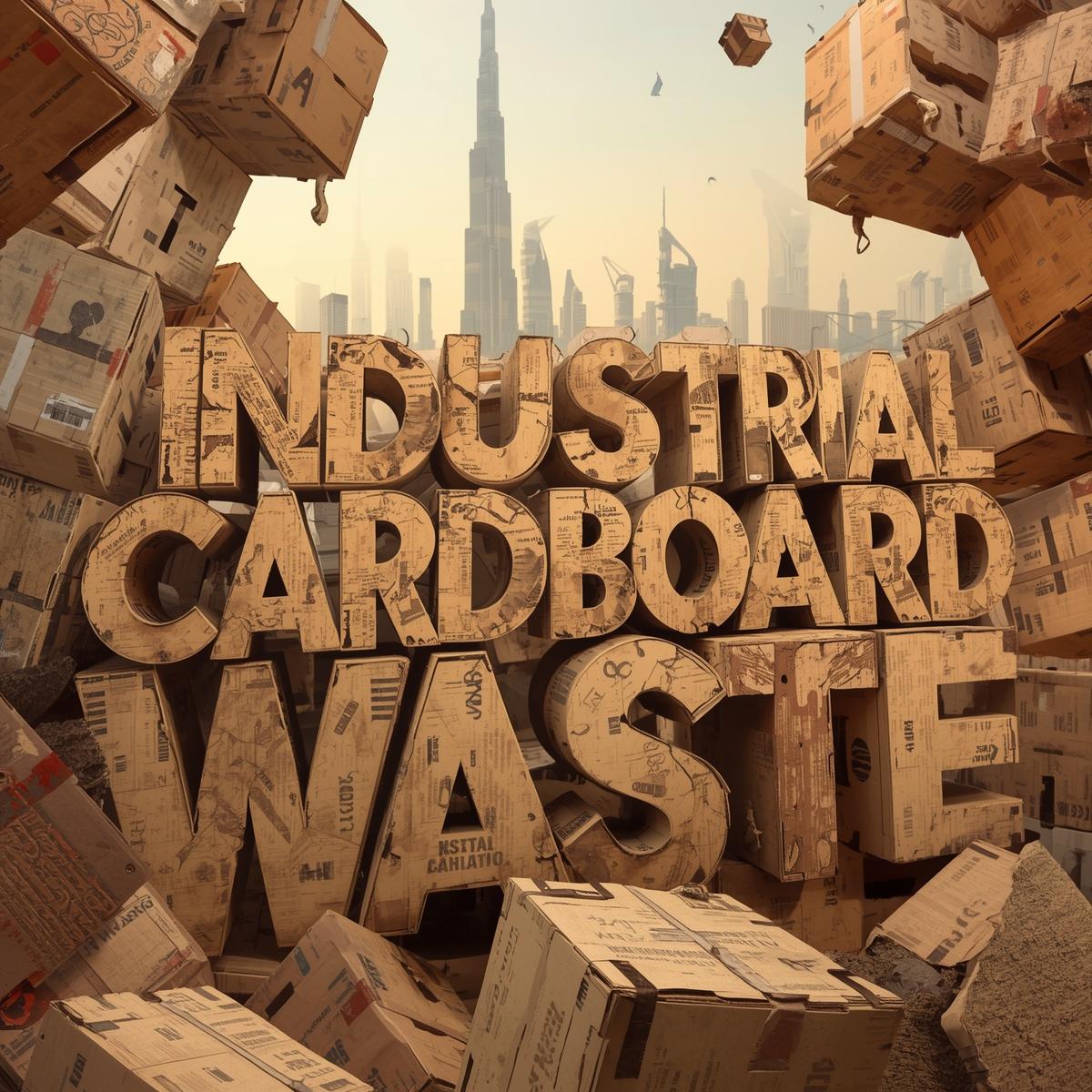
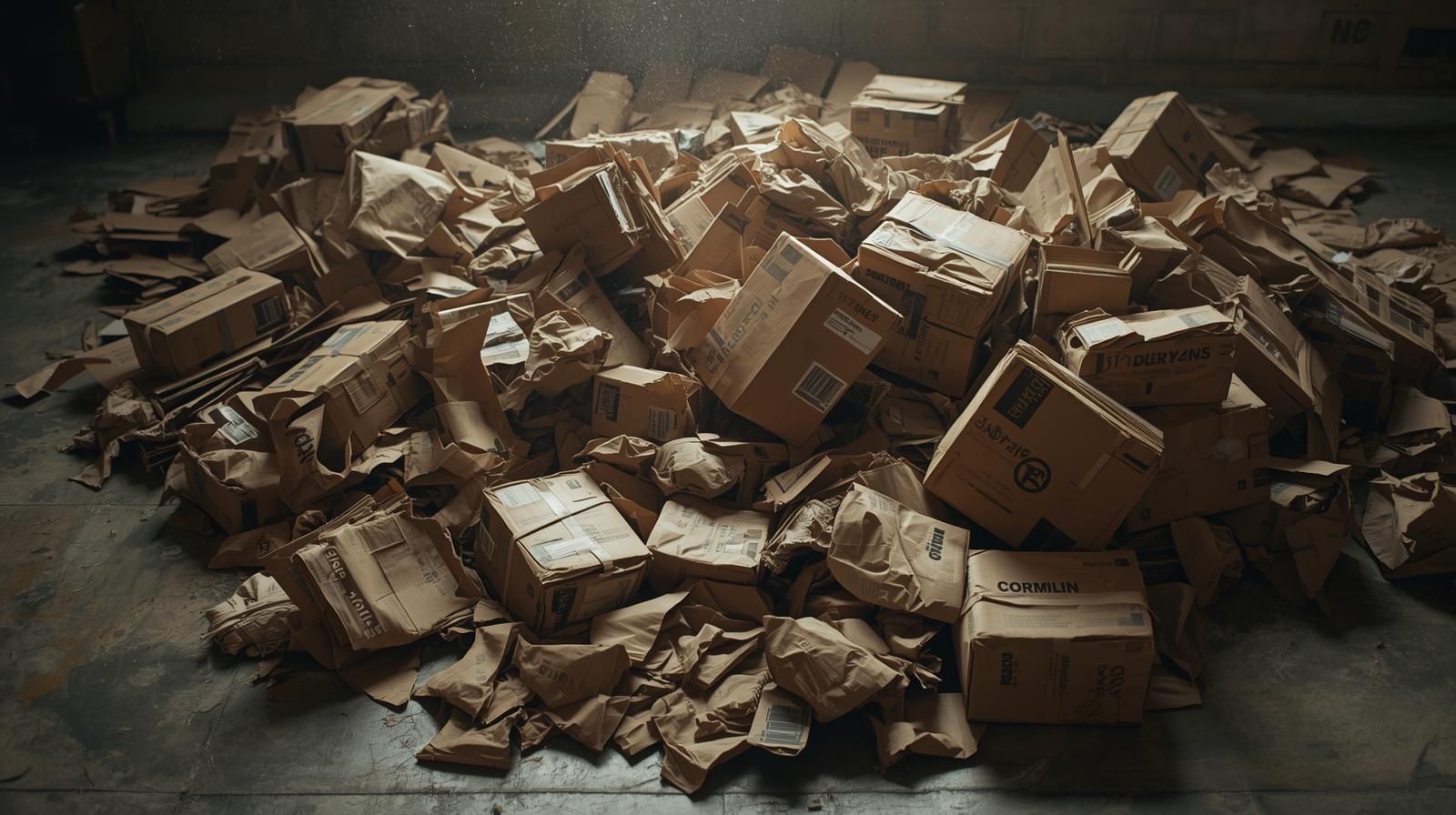
If you run a warehouse in Al Quoz, a retail store in Business Bay, or manage a high-rise in Downtown, you already know how quickly Industrial Cardboard Waste can pile up. One delivery turns into ten flattened boxes. One busy week becomes a mountain of packaging. Before you know it, your storage room looks like a maze made of cartons.
In a fast-moving city like Dubai, space is premium. Whether you’re operating near Dubai Marina or in Jumeirah, clutter isn’t just inconvenient; it’s expensive. It blocks pathways, creates fire hazards, and affects your company’s professional image. Think of your workspace like a suitcase: if you don’t organize it well, you simply can’t fit in what truly matters.
So, how do you deal with the constant flow of cardboard responsibly, affordably, and in line with local regulations? Let’s break it down step by step.
1. Understanding Industrial Cardboard Waste in Dubai
Industrial Cardboard Waste refers to the large volumes of used cartons and packaging materials generated by warehouses, factories, retail outlets, and commercial towers across Dubai. In a city known for global trade and nonstop development, cardboard is everywhere. From electronics shipments to supermarket stock deliveries, businesses handle packaging daily, which naturally leads to accumulation.
Because Dubai serves as a major import and re-export hub within the United Arab Emirates, shipments arrive around the clock. Every pallet comes wrapped, boxed, and protected. Over time, these cartons pile up in loading bays, storage rooms, and service corridors. Without a structured removal plan, the buildup becomes overwhelming.
However, managing this waste is not just about appearance. It directly affects safety, compliance, and operational efficiency. As environmental awareness increases, proper cardboard handling is becoming a responsibility every business must take seriously.
2. Common Sources of Cardboard Waste
Retail stores are some of the biggest contributors to cardboard waste. From supermarkets in residential neighborhoods to luxury boutiques in shopping districts, daily stock deliveries generate stacks of flattened cartons. Even small outlets can accumulate surprising amounts of packaging within a week.
In addition, e-commerce warehouses in industrial zones such as Dubai Investment Park and Al Quoz produce high volumes of packaging waste. Online shopping continues to grow, which means more boxes for deliveries and returns. Each shipment adds another layer to the growing pile.
Restaurants, hotels, and catering businesses also contribute significantly. Bulk food supplies, beverage cartons, and ingredient packaging arrive daily. Therefore, identifying the primary sources within your operation helps you design a targeted and efficient waste management strategy.
3. Why Industrial Cardboard Waste Management Matters for Businesses
Properly managing Industrial Cardboard Waste protects your company’s professional image. Imagine a client walking into your facility and noticing overflowing boxes stacked near the entrance. First impressions matter, especially in competitive commercial districts.
Beyond appearance, unmanaged cardboard poses serious safety risks. Cardboard is flammable, and in tightly packed commercial zones, fire hazards can escalate quickly. Clear storage areas and regular collection significantly reduce these dangers and create a safer work environment.
Additionally, organized waste handling improves workflow. When storage rooms and loading docks remain clear, staff can move freely and work more efficiently. As a result, productivity increases while workplace stress decreases, benefiting both employees and business owners.
4. Dubai Municipality Regulations and Compliance
Businesses must comply with waste management rules established by Dubai Municipality. These regulations clearly outline the need for waste segregation and the use of licensed collectors. Ignoring these guidelines can result in fines or penalties.
Commercial entities are not permitted to dispose of large volumes of cardboard with general waste. Instead, recyclable materials must be separated and handed over to authorized service providers. This ensures proper recycling and reduces landfill pressure.
Compliance also strengthens your corporate reputation. In a forward-thinking market like Dubai, sustainability is increasingly valued by customers and investors alike. Following official guidelines demonstrates responsibility and long-term commitment to environmental protection.

5. The Collection Process Explained
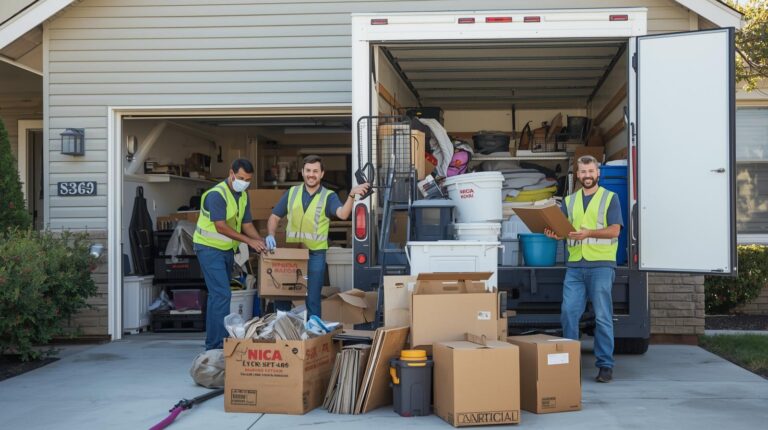
The collection process begins with an assessment of your business needs. Waste management providers evaluate the amount of cardboard generated, storage limitations, and pickup frequency requirements. This initial review ensures a customized solution.
After assessment, a structured schedule is created. High-output facilities may require daily pickups, while offices with moderate waste may opt for weekly services. Flexibility allows businesses to manage waste without disrupting daily operations.
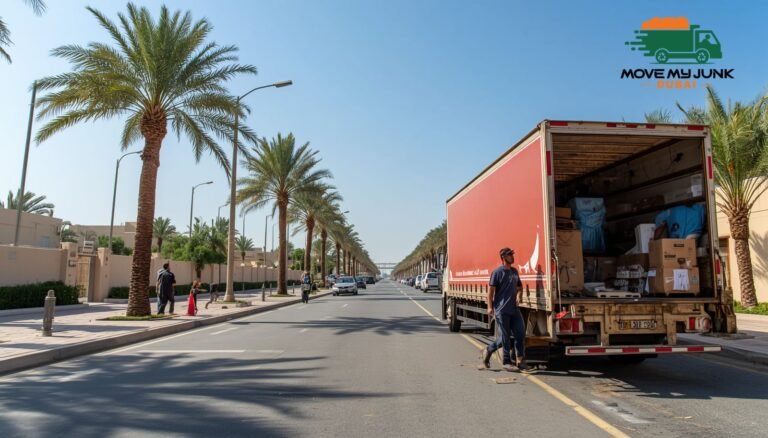
Finally, collected cardboard is transported to recycling facilities for processing. The goal is to ensure smooth removal while maintaining safety and cleanliness. A well-planned collection routine keeps your workspace organized and compliant year-round.
6. Sorting and Segregation Best Practices
Effective segregation is essential for efficient recycling. Clean cardboard should always be separated from contaminated materials such as food waste, plastics, or liquids. Mixing materials reduces recycling quality and increases processing costs.
Installing clearly labeled recycling bins in loading docks and storage areas encourages staff participation. When employees understand where and how to dispose of materials properly, compliance improves naturally.
Moreover, flattening cartons before disposal saves significant space. In busy warehouses, this simple habit can reduce storage volume dramatically. Organized sorting not only supports recycling efforts but also improves overall workplace efficiency.
7. Cost of Industrial Cardboard Waste Services in Dubai
The cost of managing Industrial Cardboard Waste varies depending on volume, location, and service frequency. Businesses producing larger quantities typically require more frequent pickups, which can affect overall expenses.
Investing in compactors or baling machines can reduce long-term costs. Although there is an initial investment, compressed cardboard requires fewer collections, leading to operational savings over time.
Some recycling companies may even offer rebates based on the quality and weight of cardboard materials. Therefore, structured waste management can sometimes transform an expense into a small but valuable financial return.
8. Benefits of Professional Waste Solutions
Professional waste management services bring efficiency and peace of mind. Instead of assigning internal staff to handle bulky cartons, trained experts manage collection and transportation safely.
Certified providers also ensure compliance with local laws and environmental standards. This reduces legal risks and provides documentation for inspections or audits when needed.
Most importantly, professional solutions contribute to sustainability goals. By diverting recyclable materials from landfills, businesses actively support Dubai’s environmental vision while maintaining a clean and organized workspace.

9. Challenges in High-Rise and Commercial Areas
Managing cardboard waste in high-rise offices and commercial towers can be challenging. Limited storage space and restricted loading dock access often complicate disposal routines. Coordination with building management becomes essential.
In busy areas such as Dubai Marina and Downtown Dubai, collection timing must be carefully planned. Peak traffic hours can delay pickups and disrupt operations.
Therefore, scheduling waste removal during off-peak hours is highly recommended. Compact storage solutions and consistent planning help overcome space limitations and ensure smooth logistics within crowded business districts.
10. Weather Conditions and Storage Considerations
Dubai’s climate plays a significant role in cardboard storage. Extreme summer heat and occasional humidity can weaken the cardboard structure, reducing its recycling value. Exposure to moisture also attracts pests.
For this reason, storing cardboard indoors or under covered areas is essential. Dry storage preserves material quality and maintains resale potential for recycling companies.
Additionally, regular collection schedules prevent excessive buildup during hotter months. By controlling storage conditions, businesses maintain cleanliness, safety, and higher recycling efficiency throughout the year.
11. Recycling Process: From Pickup to Reuse
The journey of cardboard doesn’t end at collection. Once your Industrial Cardboard Waste is picked up, it is carefully sorted and compressed into dense bales. These bales make transportation easier and more efficient, especially for high-volume businesses operating across Dubai. Organized baling ensures maximum load capacity and reduces carbon emissions during transport.
At the recycling facility, the cardboard undergoes shredding and pulping. The shredded material is mixed with water to form a slurry-like pulp. During this stage, contaminants such as tape, staples, and plastic residues are removed through filtration systems. This step is critical to maintaining high-quality recycled output.
Finally, the clean pulp is pressed, dried, and rolled into new sheets of cardboard. This closed-loop recycling process reduces reliance on virgin raw materials. As a result, businesses indirectly support resource conservation and energy savings while contributing to a circular economy.
12. Eco-Friendly Industrial Cardboard Waste Recycling Options
Eco-friendly Industrial Cardboard Waste recycling focuses on reducing landfill usage and maximizing material recovery. Many waste management providers now operate under zero-landfill commitments. That means recyclable cardboard is processed responsibly rather than discarded, aligning with environmental goals in the United Arab Emirates.
In addition, businesses can choose partners that use energy-efficient recycling facilities and optimized transport routes. These measures significantly lower carbon footprints. By prioritizing sustainable solutions, companies demonstrate leadership in environmental responsibility.
Another valuable option is requesting detailed recycling reports. These reports highlight diversion rates and recycling volumes. For companies preparing CSR or ESG documentation, such transparency strengthens credibility and supports long-term sustainability planning.
13. On-Site Compactors and Baling Machines
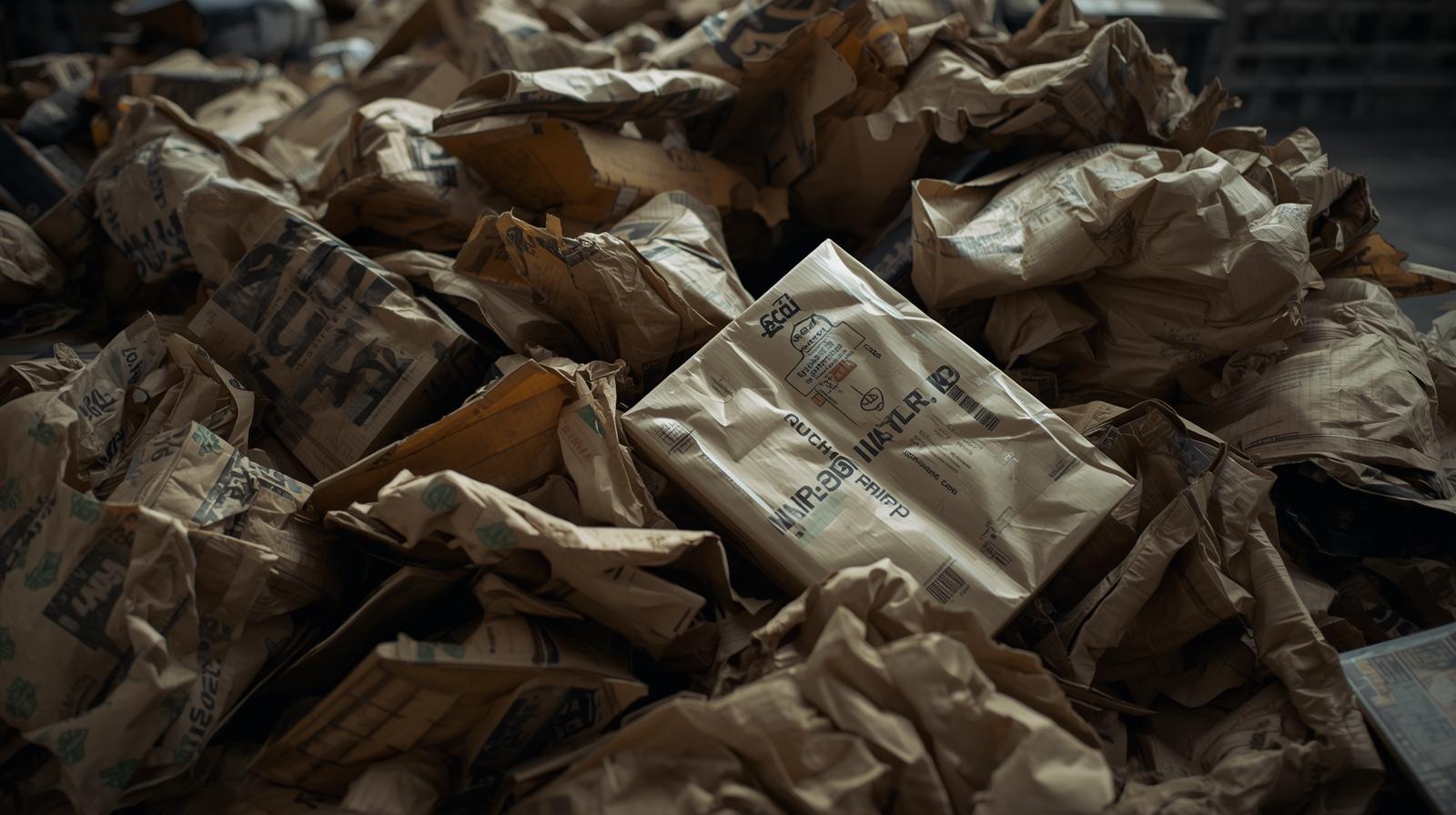
On-site balers compress loose cartons into tightly packed bundles, making storage far more manageable. For warehouses and retail hubs generating large volumes daily, this equipment can dramatically reduce clutter. Instead of scattered boxes, you get neat, stackable units.
Compactors are particularly beneficial for distribution centers and manufacturing facilities. By minimizing loose waste, they improve workplace safety and reduce fire hazards. In busy industrial areas like Al Quoz, efficient space management is essential for smooth operations.
Although installing compactors requires upfront investment, the long-term savings often outweigh the cost. Fewer pickups mean lower transportation fees. Additionally, well-compacted cardboard may fetch better recycling rebates, further improving your return on investment.
14. Reducing Industrial Cardboard Waste at Source
Reducing Industrial Cardboard Waste begins with smarter procurement strategies. Businesses can negotiate with suppliers to minimize excessive packaging or switch to reusable crates. Even small packaging adjustments can significantly lower waste output over time.
Furthermore, digitizing invoices and shipping documentation reduces the need for additional paper inserts inside cartons. While this may seem minor, cumulative changes make a noticeable impact. Streamlining operations not only cuts waste but also enhances efficiency.
Employee engagement is equally important. Conducting training sessions on waste reduction encourages accountability. When your team understands how responsible practices benefit both the environment and the company’s bottom line, they are more likely to support sustainable initiatives actively.
15. Choosing the Right Waste Management Partner
Selecting the right waste management partner requires careful evaluation. Start by ensuring the company is licensed and compliant with regulations set by Dubai Municipality. Proper certification guarantees legal and environmentally responsible operations.
Next, review their service offerings. Do they provide balers, compactors, flexible pickup schedules, and recycling documentation? Transparent pricing and clear communication are essential for maintaining a smooth partnership.
Finally, choose a provider familiar with local logistics challenges. Whether your business operates in high-rise offices or industrial zones, local expertise ensures efficient collections. A knowledgeable partner understands building access restrictions and traffic conditions, preventing unnecessary delays.
16. Long-Term Sustainability and Business Growth
Sustainable waste management strengthens your brand image. Today’s customers increasingly prefer businesses that demonstrate environmental responsibility. By managing cardboard efficiently, you send a clear message about your company’s values.
Additionally, organized waste systems improve daily workflows. Clear storage areas reduce accidents and enhance operational speed. When clutter disappears, productivity naturally increases, much like clearing a desk helps you think more clearly.
In the long term, sustainability initiatives can become a competitive advantage. As Dubai continues to evolve as a global business hub, environmentally conscious companies stand out. Cleaner operations, lower waste costs, and improved reputation collectively contribute to sustainable growth and long-term success.

17. Conclusion
Managing cardboard waste in Dubai isn’t just about clearing space. It’s about safety, compliance, cost efficiency, and environmental responsibility. With the right strategy, even large volumes become manageable.
By adopting structured collection processes, partnering with licensed providers, and reducing waste at the source, you transform clutter into opportunity. Like decluttering a packed storeroom, once you clear the excess, everything runs more smoothly.
Ultimately, responsible waste management supports both your business goals and Dubai’s broader sustainability vision.
FAQs
Q1: What types of businesses generate the most cardboard waste in Dubai?
Retail stores, logistics companies, warehouses, supermarkets, and e-commerce businesses generate the highest volumes. Frequent deliveries and bulk packaging contribute significantly to cardboard accumulation.
Q2: Is cardboard recycling mandatory for businesses in Dubai?
While specific requirements depend on business type and size, companies must comply with local waste segregation and disposal regulations. Licensed waste collectors are required for commercial waste.
Q3: How often should cardboard be collected from commercial properties?
Collection frequency depends on waste volume. High-output facilities may require daily pickups, while smaller offices may schedule weekly services.
Q4: Can businesses earn money from recycling cardboard?
In some cases, yes. Clean and properly sorted cardboard may have resale value, depending on market demand and volume.
Q5: What is the best way to store cardboard before pickup?
Store cardboard in a dry, covered area and flatten boxes to save space. Using compactors or balers further improves storage efficiency and safety.
Trusted Junk Removal Services in Dubai for Homes & Businesses In Dubai?
Address: Office No.101, 10th Floor, Al-Shafar Tower, Business Bay, Dubai.
Google Map Location